Omorganisationer, kulturförändringar, nya strategier, digitala transformationer. De flesta av dem levererar inte det de utlovar. Inte för att planen var fel – utan för att man underskattade vad det krävs för att få människor att faktiskt förändra sitt beteende.
In my experience, change initiatives fail almost always on one of three points.
Too little buy-in, too early a decision
When a decision is made at the top of the organization — without involving those who will implement it — it almost always meets resistance. Not necessarily open resistance, but passive. People do what they must and nothing more.
Involvement is not a courtesy gesture. It is an implementation tool. People carry out changes they understand and feel part of — not changes that happen to them.
Kommunikation som går åt ett håll
Förändringar kommuniceras ofta som färdiga fakta: så här blir det, här är skälen, och frågor hänvisas till närmaste manager. Det skapar ett informationsunderskott som fylls av rykten, oro och spekulation.
Communication during change must be two-way. It requires forums where questions can be asked genuinely, where uncertainty is permitted, and where the leader is prepared to say ‘I do not know yet’ without it being interpreted as weakness.
Neglect of the informal system
Every organization has two structures: the formal one, visible on the org chart, and the informal one, visible in how decisions are actually made and how information actually moves.
Change initiatives fail when only the formal structure is addressed. The informal opinion leaders — the people whose attitudes shape everyone else’s — need to be reached early and in a different way.
What actually makes the difference
In my work with organizations going through change, what determines success rarely relates to the content of the strategy. It relates to the leader’s ability to hold direction and create stability at the same time — and to take people’s concerns seriously without losing momentum.
That is a craft. And it is something that can be developed.
If you have thoughts, questions, or simply want to talk something through — feel free to get in touch. I am happy to have an initial conversation with no agenda.
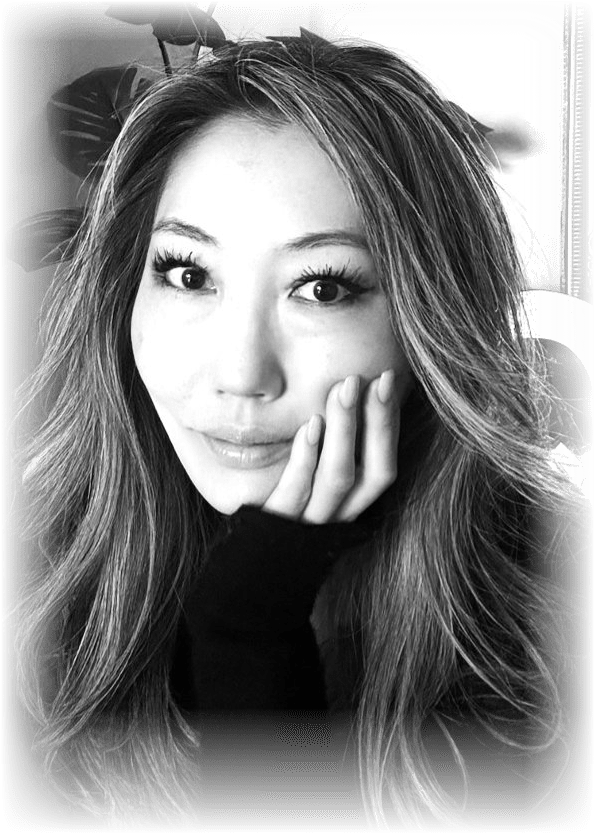
Magdalena Hagström Ståhl
By M Consulting AB
Right person. Right place. Everything changes.